
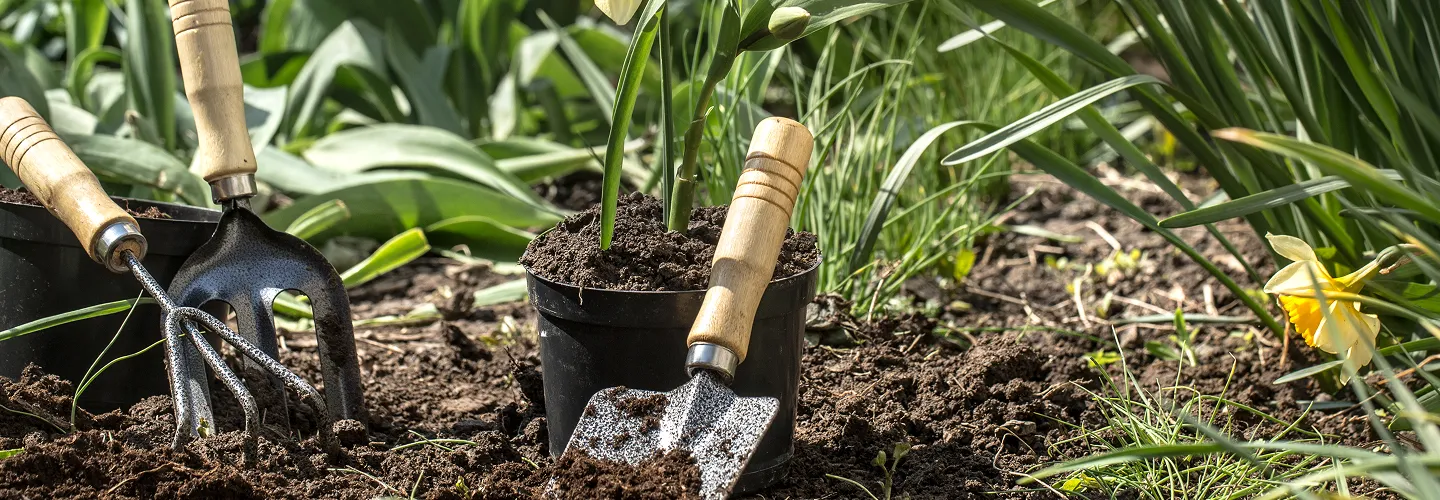
Fulshear Lawn Edging Services
Choose our expert lawn edging for a polished, professional look that enhances curb appeal, prevents grass overgrowth, and makes yard maintenance easier than ever.
Get a Free QuoteOur Fulshear Landscaping & Yard Care Services
When to Schedule Lawn Edging in Fulshear, Texas – Seasonal Guide
In Fulshear, Texas, the best times to schedule lawn edging are typically in early spring and late fall. These periods align with the region’s moderate temperatures and increased soil moisture, which help promote healthy turf growth and make edging more effective. Fulshear’s climate, characterized by hot, humid summers and mild winters, means that edging during the peak of summer can stress your lawn, especially in neighborhoods like Cross Creek Ranch or Weston Lakes where shade coverage and soil composition can vary significantly.
Local environmental factors such as the last frost date—usually in late February—and the onset of summer drought conditions play a crucial role in determining the optimal schedule. Areas near Flewellen Creek or along FM 1093 may experience different microclimates, so it’s important to consider your property’s unique conditions. For more information on local weather patterns and municipal guidelines, you can consult resources like the Sudbury town website.
Local Factors to Consider for Lawn Edging in Fulshear
- Tree density and shade coverage, especially in established neighborhoods
- Soil type and drainage, which can affect edging precision
- Seasonal precipitation and drought risk
- Proximity to creeks or flood-prone areas
- Municipal restrictions or HOA guidelines on landscaping
Benefits of Lawn Edging in Fulshear
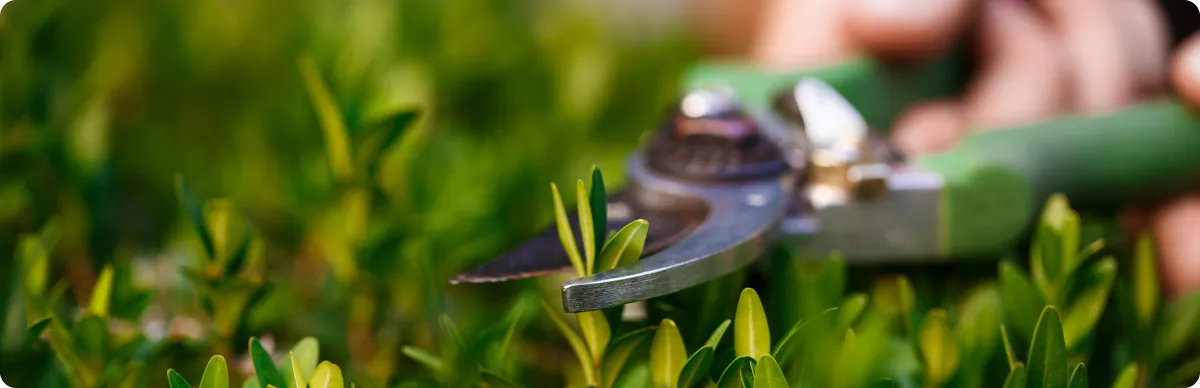
Enhanced Curb Appeal
Weed Growth Prevention
Defined Landscape Borders
Low Maintenance Solutions
Increased Property Value
Professional Installation Expertise
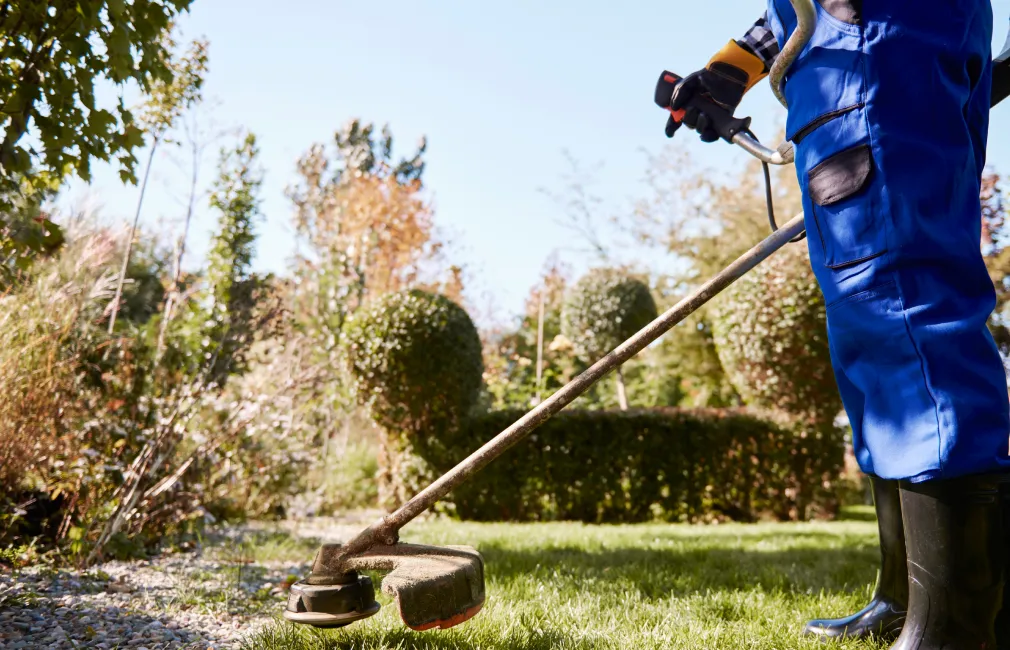
Fulshear Lawn Edging Types

Steel Lawn Edging
Steel edging offers a sleek, durable border that defines garden beds and pathways.
-
Brick Lawn Edging
Brick edging provides a classic, timeless look while keeping grass and mulch neatly separated.
-
Plastic Lawn Edging
Plastic edging is a cost-effective and flexible solution for creating clean lawn boundaries.
-
Stone Lawn Edging
Stone edging adds a natural, rustic touch and blends seamlessly with landscaping elements.
-
Concrete Lawn Edging
Concrete edging delivers a sturdy, long-lasting border for lawns and garden beds.
-
Wood Lawn Edging
Wood edging brings warmth and a natural feel to garden borders and pathways.
-
Rubber Lawn Edging
Rubber edging is eco-friendly, flexible, and safe for children and pets.
Our Lawn Edging Process
Site Evaluation
Marking Edges
Cutting the Edge
Debris Removal
Final Inspection
Why Choose Fulshear Landscape Services
-
Fulshear Homeowners Trust Us
-
Expert Lawn Maintenance
-
Reliable Scheduling
-
Competitive Pricing
-
Professional Team
-
Satisfaction Guarantee
-
Personalized Service
Fulshear’s Expansive Clay Soils and Lawn Edging Installation Standards
Lawn edging in Fulshear requires careful consideration of the city’s predominant soil types, notably the Houston Black and Katy fine sandy loam series, as identified by the USDA Web Soil Survey. These soils are characterized by high clay content, pH levels typically ranging from 7.2 to 8.0, and a tendency for seasonal expansion and contraction. For effective edging, trenches should be cut to a minimum depth of 4 inches to accommodate soil movement and prevent heaving. Soil compaction is common in developed neighborhoods, necessitating mechanical edging tools for clean lines. Incorporate 2-3 inches of compost or sand to improve drainage and reduce root encroachment. Soil testing is recommended every 2-3 years through Texas A&M AgriLife Extension (test cost: $15-25). Edging materials must be installed with a 1-inch reveal above grade to prevent turf overgrowth and comply with city property maintenance codes.
Municipal Coordination for Lawn Edging Debris and Collection in Fulshear
Proper disposal of sod, soil, and organic debris generated during lawn edging is regulated by Fulshear’s municipal waste management protocols. Weekly yard waste collection occurs every Thursday from April through November. Residents must use biodegradable paper bags or reusable bins (32-gallon maximum); plastic bags and branches over 4 inches in diameter are prohibited. Accepted materials include grass clippings, edging debris, and brush under 4 feet in length. For large projects, coordinate with the city for bulk pickup or drop-off at designated sites. Violations may result in fines per city ordinance. For guidance on collection schedules and compliance:
Fulshear Public Works Department
30603 FM 1093, Fulshear, TX 77441
Phone: (281) 346-8830
Official Website: Fulshear Public Works Department
The department provides updates on seasonal changes to collection and disposal requirements.
Environmental Compliance: Stormwater Protection and Buffer Zones in Fulshear
Lawn edging activities in Fulshear must comply with local and federal stormwater regulations to protect nearby water bodies such as Flewellen Creek and the Brazos River. The city operates under an MS4 permit, prohibiting the discharge of soil, clippings, or chemicals into storm drains, as mandated by the Clean Water Act and enforced by the Texas Commission on Environmental Quality. Maintain a 25-foot no-disturbance buffer from wetlands and drainage ditches; no fertilizer or herbicide application is permitted within 50 feet of water bodies. Use silt fencing or straw wattles when edging near slopes or waterways to prevent sediment runoff. For additional compliance resources:
Fulshear Water Quality and Conservation Program
30603 FM 1093, Fulshear, TX 77441
Phone: (281) 346-8830
Official Website: Fulshear Water Quality and Conservation Program
Equipment Operation Hours and Safety Protocols for Lawn Edging in Fulshear
Fulshear enforces specific noise and safety ordinances for lawn equipment operation. Permitted hours are:
- Monday-Friday: 7:00 AM - 7:00 PM
- Saturday: 8:00 AM - 6:00 PM
- Sunday and holidays: Prohibited All power edging equipment must be fitted with functional mufflers, and noise levels must not exceed 85 decibels at the property line. Operators are required to wear ANSI Z87.1 safety glasses, hearing protection for equipment over 85 dB, and steel-toed boots. Maintain a 15-foot clearance from overhead utilities and public sidewalks. For work near public roads, use high-visibility vests and place warning signs 100 feet from the work zone. For ordinance details and safety guidance:
Fulshear Police Department
30603 FM 1093, Fulshear, TX 77441
Phone: (281) 346-2202
Official Website: Fulshear Police Department
Optimal Lawn Edging Timing for Fulshear’s Climate Zone 9a
Fulshear is located in USDA Hardiness Zone 9a, with average annual minimum temperatures of 20-25°F and a growing season extending from mid-March to late November. The ideal window for lawn edging is February 15 to April 15, when soil temperatures reach 55°F and before the onset of spring growth. Fall edging is best performed September 15 to October 31, after peak summer heat but before the first frost. Avoid edging during June-August due to high soil moisture loss and heat stress. Monitor local weather forecasts through the National Weather Service Houston/Galveston Office for optimal scheduling. For monthly timing recommendations and climate data, consult Texas A&M AgriLife Extension.
What Neighborhoods Do We Serve Throughout Fulshear, TX?
- Cross Creek Ranch: Features engineered drainage systems and expansive clay soils, requiring deep edging and careful debris management to prevent runoff into community lakes and bioswales.
- Weston Lakes: Gated community with mature trees and proximity to the Brazos River; properties often have floodplain soils and require compliance with buffer zone regulations.
- Fulbrook on Fulshear Creek: Newer development with compacted fill soils and HOA landscaping standards; edging must meet strict curb appeal and setback requirements.
- Fulshear Run: Large lots with native prairie remnants and variable slope; soil compaction and drainage patterns necessitate mechanical edging and erosion controls.
- Churchill Farms: Subdivision with smaller lots and high-density housing; access limitations and narrow side yards require precision edging and adherence to city noise ordinances.
- Westlake: Area adjacent to protected wetlands and conservation easements; edging projects must observe 25-foot wetland buffers and avoid chemical use near sensitive habitats.
- Downtown Fulshear: Historic district with mixed-use properties, older infrastructure, and variable soil fill; coordination with city departments is often required for right-of-way and sidewalk-adjacent edging.