
Fulshear Junk Removal Services
Choose us for your junk removal needs and experience prompt service, transparent pricing, and a commitment to eco-friendly disposal—making your cleanout stress-free from start to finish.
Get a Free QuoteOur Fulshear Landscaping & Yard Care Services
When to Schedule Junk Removal in Fulshear, Texas – Seasonal Guide
In Fulshear, Texas, timing your junk removal can make a significant difference in efficiency and convenience. The region’s humid subtropical climate means that spring and fall are often the most comfortable and practical seasons for outdoor projects. After the last frost date in early March, neighborhoods like Cross Creek Ranch and Weston Lakes see a surge in yard cleanups and home organization, as residents prepare for the growing season and summer heat. Conversely, late fall is ideal for clearing out debris before winter rains and cooler temperatures set in, especially in areas with dense shade coverage or clay-heavy soils that can become slippery and difficult to navigate.
Local environmental factors such as drought risk, high humidity, and the prevalence of mature trees—particularly near Flewellen Creek or along FM 1093—can impact the timing and complexity of junk removal. It’s also important to consider municipal guidelines and seasonal restrictions, which can be found on resources like the Sudbury town website, to ensure compliance and avoid unnecessary delays.
Local Factors to Consider for Junk Removal in Fulshear
- Tree density and mature landscaping, especially in established neighborhoods
- Soil type (clay vs. sandy) affecting accessibility after rain
- Seasonal precipitation and humidity levels
- Frost dates and drought risk impacting yard debris
- Shade coverage influencing ground conditions
- Municipal restrictions or scheduled bulk pickup days
Benefits of Junk Removal in Fulshear

Efficient Yard Waste Removal
Eco-Friendly Disposal Solutions
Improved Curb Appeal
Safe and Hassle-Free Service
Time-Saving Cleanup
Professional and Reliable Team
Fulshear Junk Removal Types

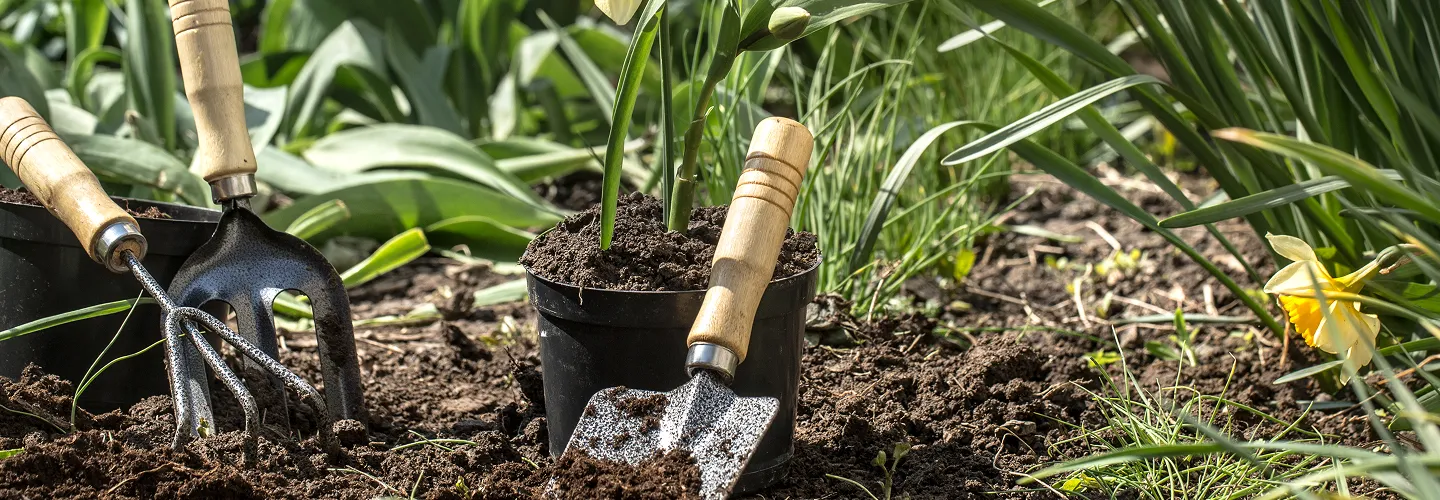
Yard Waste Removal
-
Tree Branch Disposal
-
Sod and Soil Hauling
-
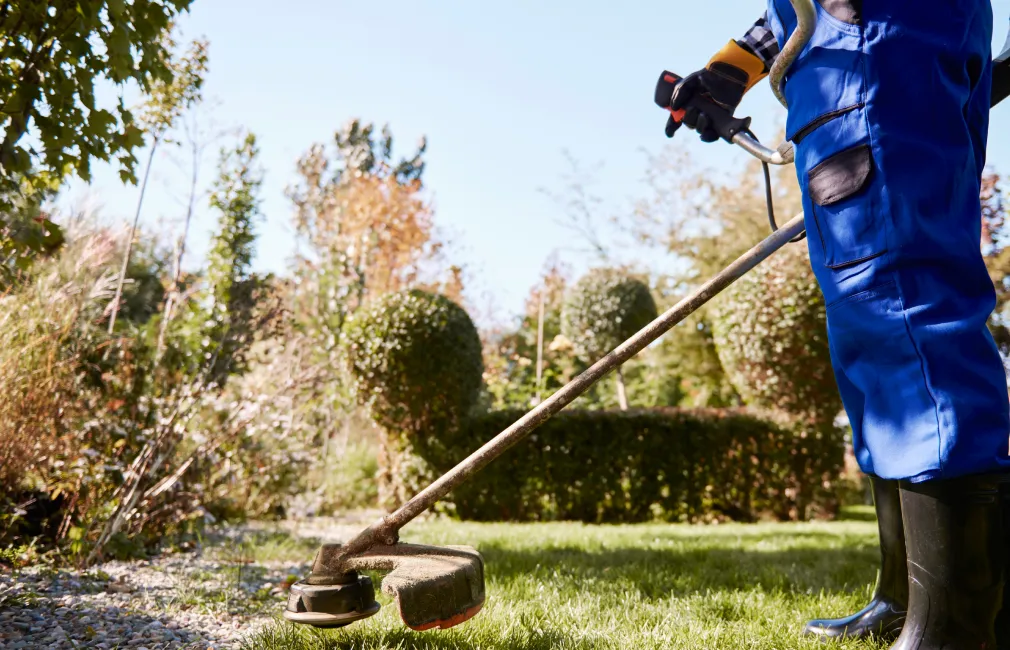
Landscape Debris Cleanup
-
Shrub and Bush Removal
-
Mulch and Rock Removal
-
Garden Structure Disposal
Our Junk Removal Process
Site Evaluation
Customized Plan
Efficient Removal
Responsible Disposal
Final Inspection
Why Choose Fulshear Landscape Services
-
Fulshear Homeowners Trust Us
-
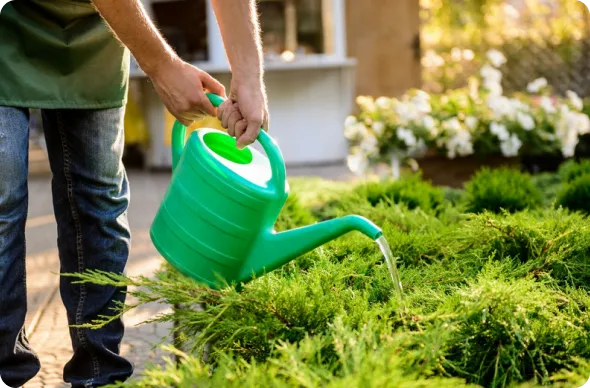
Expert Lawn Maintenance
-
Reliable Scheduling
-
Competitive Pricing
-
Professional Team
-
Satisfaction Guarantee
-
Personalized Service
Fulshear’s Municipal Junk Collection Schedules and Compliance Procedures
Junk removal in Fulshear is governed by city ordinances that specify collection schedules, accepted materials, and disposal protocols. Weekly curbside bulk waste pickup is typically scheduled for Thursdays, April through November, with residents required to place items at the curb by 7:00 AM. Acceptable items include furniture, appliances (with refrigerants removed), and bundled brush under 4 feet in length. Prohibited materials include construction debris, hazardous waste, and electronics. All items must be contained in reusable bins (32-gallon maximum) or biodegradable bags; plastic bags are not permitted. For large-scale cleanouts or items exceeding standard limits, residents must coordinate with the city for special collection arrangements. Compliance with these procedures helps maintain public health and environmental standards.
Fulshear Public Works Department
30603 FM 1093, Fulshear, TX 77441
Phone: (281) 346-8830
Official Website: Fulshear Public Works Department
Managing Junk Removal Near Fulshear’s Wetlands, Parks, and Waterways
Fulshear’s proximity to the Brazos River, local wetlands, and city parks such as Flewellen Creek Park requires strict adherence to environmental regulations during junk removal. The city enforces a 25-foot no-disturbance buffer from wetlands and water bodies, prohibiting dumping or staging of debris within these zones. The Texas Water Code and Clean Water Act mandate that no waste, chemicals, or runoff enter storm drains or natural waterways. Operators must use silt fencing or tarps when working near sensitive areas to prevent accidental contamination. Violations may result in fines or remediation orders. For guidance on buffer zones and protected areas, consult the city’s water quality program.
Fulshear Water Quality and Conservation Program
30603 FM 1093, Fulshear, TX 77441
Phone: (281) 346-8830
Official Website: Fulshear Water Quality and Conservation Program
Soil Series and Site Conditions Affecting Junk Removal in Fulshear
Fulshear’s predominant soils, including Houston Black clay and Katy fine sandy loam, present unique challenges for junk removal operations. Houston Black clay is expansive, with poor drainage and a tendency to become waterlogged after heavy rain, especially in low-lying neighborhoods. Site access may be restricted during wet periods, and heavy equipment can cause rutting or compaction. Soil pH typically ranges from 7.5 to 8.2, and the water table may rise to within 18 inches of the surface during spring. Operators should avoid staging dumpsters or vehicles on saturated ground and use plywood or mats to distribute weight. For detailed soil mapping and drainage analysis, refer to the USDA Web Soil Survey.
Equipment Operation Hours and Safety Standards for Junk Removal in Fulshear
Fulshear enforces municipal noise ordinances and safety protocols for junk removal activities. Equipment operation is permitted during the following hours:
- Monday-Friday: 7:00 AM - 7:00 PM
- Saturday: 8:00 AM - 6:00 PM
- Sunday and holidays: Prohibited All operators must use commercial-grade equipment with functioning mufflers, and noise levels must not exceed 85 decibels at property lines. Personal protective equipment (PPE) is mandatory, including:
- Eye protection: ANSI Z87.1 safety glasses
- Hearing protection: Earmuffs or plugs for 85+ dB
- Footwear: Steel-toed, non-slip boots
- Gloves: Cut-resistant for handling debris Traffic control measures, such as cones and signage, are required when working near public roads. For additional safety guidance, coordinate with the city’s engineering department.
Fulshear Engineering Department
30603 FM 1093, Fulshear, TX 77441
Phone: (281) 346-1796
Official Website: Fulshear Engineering Department
State and Federal Environmental Compliance for Junk Removal in Fulshear
Junk removal in Fulshear must comply with both state and federal environmental regulations. The Texas Commission on Environmental Quality (TCEQ) oversees solid waste management, stormwater permits (MS4), and enforcement of the Texas Water Code. Federal oversight is provided by EPA Region 6, which enforces the Clean Water Act. Key requirements include:
- No dumping of waste in storm drains or waterways
- Proper disposal at licensed facilities
- Documentation of hazardous material handling
- Adherence to buffer zones and reporting spills For technical assistance, consult Texas A&M AgriLife Extension for best practices in debris management and environmental protection.
What Neighborhoods Do We Serve Throughout Fulshear, TX?
- Cross Creek Ranch: Features engineered drainage channels and clay soils prone to compaction, requiring careful equipment staging and compliance with HOA debris placement rules.
- Weston Lakes: Gated community with mature trees and proximity to the Brazos River; strict enforcement of buffer zones and limited access for large vehicles.
- Fulbrook on Fulshear Creek: Contains protected wetlands and floodplain areas, necessitating adherence to 25-foot no-disturbance buffers and seasonal access restrictions.
- Fulshear Run: Newer development with expansive lots and Katy fine sandy loam soils, offering easier access but requiring attention to stormwater runoff controls.
- Downtown Fulshear: Historic district with narrow streets, overhead utilities, and older infrastructure, demanding smaller equipment and coordination with city officials for traffic management.
- Polo Ranch: Subdivision with mixed soil types and active construction, where debris removal must be coordinated with ongoing development and city permitting requirements.
- Westlake: Area adjacent to conservation lands and city parks, requiring compliance with environmental ordinances and careful handling of debris near sensitive habitats.